In a medical emergency, seconds matter. AED first aid is a critical life-saving response for cardiac arrest victims, often bridging the gap before professional help arrives. With sudden cardiac arrest being one of the world’s leading causes of death, knowing how and when to use an Automated External Defibrillator (AED) can save lives.
What Is AED First Aid?
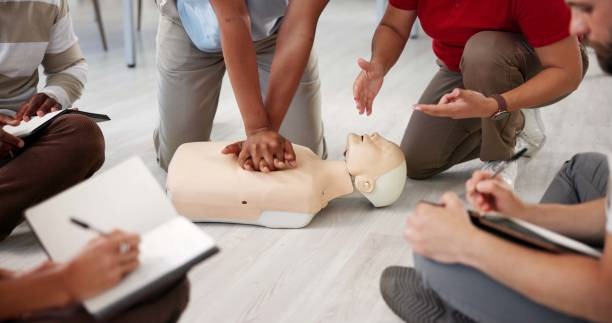
AED first aid involves using an Automated External Defibrillator during a cardiac emergency. An AED is a portable device that analyses a person’s heart rhythm and delivers a controlled electric shock if needed to restore a normal heartbeat.
Here’s how it works:
- Adhesive pads are attached to the victim’s chest.
- The AED checks heart rhythm and advises whether a shock is required.
- If advised, the device administers a shock automatically or when prompted.
- Clear audio instructions guide even untrained responders step-by-step.
This simple yet powerful tool means anyone, not just medical professionals, can offer immediate aid.
Why AED First Aid Is Essential in Emergencies
Studies show that survival rates from sudden cardiac arrest decrease by 7–10% for every minute without defibrillation. When an AED is used within the first few minutes, survival rates can rise dramatically — sometimes over 70%.
Whether in offices, schools, airports or shopping centres, having an AED accessible can mean the difference between life and death. That’s why SECOM Malaysia advocates for broader AED access and education as part of comprehensive emergency preparedness.
When Should You Use an AED?
Use an AED when someone suddenly collapses and shows signs of cardiac arrest:
- Unconsciousness
- No pulse
- Abnormal or no breathing
AEDs are designed to be safe and easy to use. They will only deliver a shock if the device determines it’s necessary, minimising the risk of misuse.
Do You Need Training to Use an AED?
While AEDs are designed for public use and include clear voice instructions, formal first aid training is still encouraged. Training enhances confidence and ensures responders know how to combine CPR with AED usage effectively.
SECOM Malaysia encourages workplaces, schools, and public facilities to provide AED training sessions and conduct regular drills. This proactive approach ensures readiness when emergencies strike.
AED First Aid: A Public Responsibility
Having AEDs in high-traffic areas and educating the public on their use is no longer optional — it’s essential. Government bodies, employers, and community leaders all play a role in making AED first aid a standard part of emergency response.
Learn more about the life-saving role of AEDs in our guide on AED first aid, and find out how you can help build a safer environment around you.
Conclusion: Every Second Counts with AED First Aid
AED first aid can dramatically increase a person’s chance of surviving cardiac arrest. Its ease of use and availability make it one of the most powerful tools in emergency care today.
SECOM Malaysia continues to raise awareness on AED accessibility and the importance of first aid readiness. Take the first step—learn how to use an AED and help create a community where more lives are saved.